We first covered Folk Tale back during the overwhelming rush of Steam's Greenlight service in our "Greenlight Spotlight" series, found here. Some serious progress has been made by Games Foundry, the team behind the upcoming "fantasy city builder strategy game," and we're here to highlight a bit of that today.
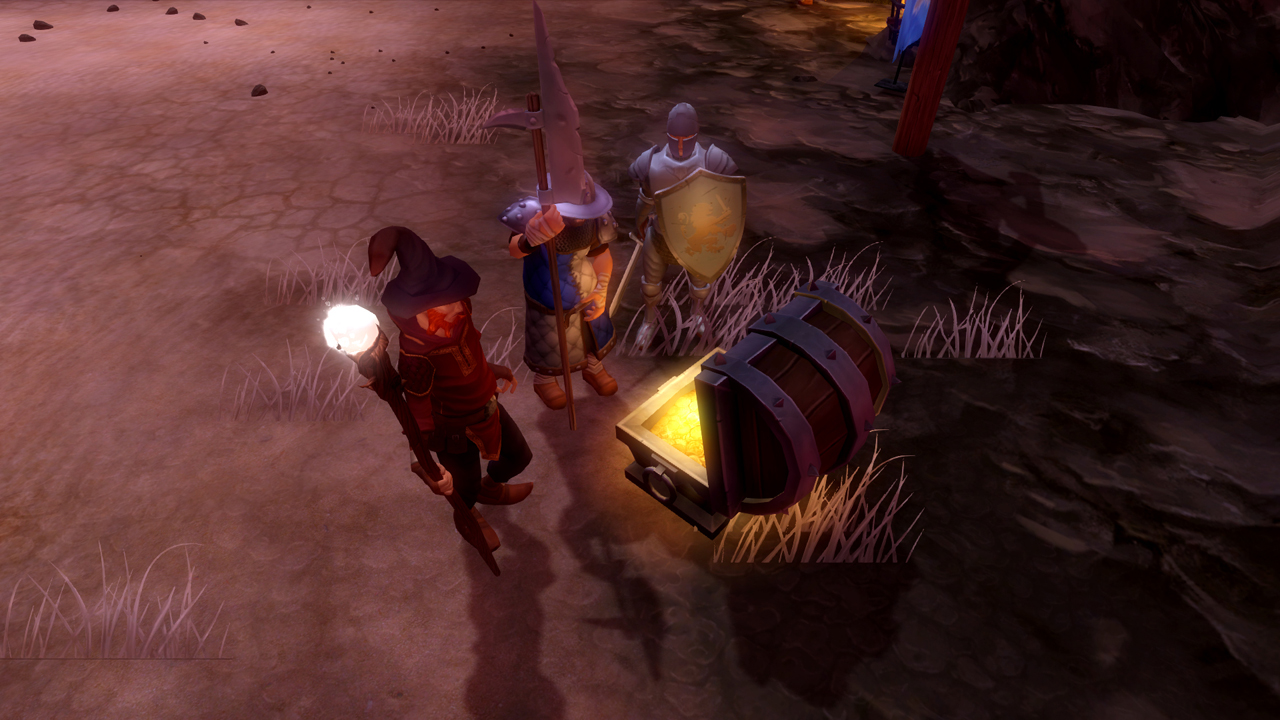
For the unfamiliar, Folk Tale fuses major gameplay elements found in the Majesty series, Tropico, and Settlers to concoct a unique mix of three major genres: City-building, RTS, and RPGs. As leader of an upstart village, it's your job to create a powerful economy that attracts villagers and adventurers, to fortify the city, and to dispatch heroes to thwart nearby enemy threats and raiders. Games Foundry promises that differing leadership styles will provide alternative pathways to success, adding a bit of flavor to each new village venture you set out on. Tyranny is just as viable as a more democratic society, with each providing different political challenges to overcome.
Games Foundry Project Lead Simon Dean pieced together a voiced-over look at Folk Tale's gameplay, NPC interactions, city progression, and loose background information with a recent news releases; if the game sounds interesting to you at all, I'd strongly encourage you to check out the new video:
At the heart of Folk Tale is classic, sandbox style city-building and management. The game's engine currently only offers constrained building placement positions, but Games Foundry has stated it intends to remove or reduce such restrictions in future iterations of the game, ideally with the release of a map editor. Throughout each map, you'll guide your village's growth from a small hamlet into a bustling city, complete with paved streets, city walls, taverns, and other economic and militaristic buildings. The constant 'background' objective is to achieve equilibrium amongst your villagers' core needs, namely: Food, sleep, fun, and spiritual dedication to the game's central deity, Toast. Beyond that, it's really up to you to build what you want and make a cool city.
Despite the game's sandbox-centric approach to city building, Folk Tale still offers RTS veterans a few familiar features to look forward to. Individualized unit control allows micromanagement of both economic and combat units, with equippable gear and player-activated unit abilities fronting the unit-level gameplay. About the level of independent unit control and advancement found in Folk Tale, Dean said:
"In Folk Tale, gear and skills are important and improve a character's attributes, including damage. We thought it made little sense that a naked person with no equipment should have more health and potentially inflict more damage than a huge ogre in a fist fight. Exploration and dungeon raiding can really help survival in the long run, as well as provide useful ingredients for transmuting unwanted items for crafting."
Although players can take direct control of their peasants and knights, the AI is designed to be intelligent enough to handle most micromanagement tasks appropriately, hopefully freeing up more macro-intensive players to focus on the construction of their cities.
As it stands now, Games Foundry plans for military units to be represented as knights, archers, crossbowmen, bards, thieves, mounted knights, monks/priests, and specialized heroes with unique abilities. Each NPC has five abilities that can be unlocked and upgraded for use in combat or economic situations, so a knight could have taunts, leadership skills, and a shield bash, each of which is triggered by the commanding player. We're unsure if the abilities can be used 'on autopilot' as it stands now, but will let you know as we find out more.
As for how these characters are developed, each economic building can recruit up to five specialists; if you've got a mill, you can recruit farmers to hone their skills in planting, harvesting, and milling foodstuffs for your villagers. These skills further progress as villagers continue working their jobs, and in the event you need to call together an emergency militia, those former farmers will retain their gained stats when they're eventually released back to their jobs.
The game aims to integrate a bit of every successful city builder from the past decade (or more) while still implementing some innovative mechanics to breathe life into an aged genre; for those interested in learning more about Folk Tale, you can sign up for beta and updates on the game's website, found here: http://www.gamesfoundry.com/
- Steve "Lelldorianx" Burke.